Oct 21st 2024
All About Dijon Mustard: A French Culinary Staple
Sharp, smooth, and unmistakably French — here's how to choose it, use it, and cook with it.
If you've ever made a salad dressing, a creamy chicken sauce, or a really good sandwich, chances are Dijon mustard was involved. It's one of those ingredients that makes everything taste a little more pulled-together, smooth, sharp, and just a little bit tangy. Very French.
But not all Dijon mustards are the same. The one we carry at My French Recipe, Pommery Moutarde de Meaux, is one of the most iconic French mustards in the world.
A quick history, and why it matters
Mustard has been part of French cooking for centuries. But the version that changed everything came from a small town called Meaux, about an hour east of Paris.
In 1632, the canons of Meaux Cathedral developed a recipe using whole mustard seeds and a special blend of vinegar and spices. They kept it secret for over a hundred years.
In 1760, that recipe was passed to a man named J.B. Pommery. His family has been making it the same traditional way ever since — in the same style of stoneware jar, sealed with cork and red wax.
Dijon vs. whole-grain, what's the difference?
We carry two Pommery mustards, and they do different jobs in the kitchen.
Pommery Dijon MustardSmooth, creamy, and sharp — the classic style most Americans are familiar with. It blends beautifully into sauces, dressings, marinades, and sandwiches. |
Pommery Moutarde de MeauxRustic, whole-grain, and full of texture. The mustard to serve with charcuterie, grilled meats, roasted pork, steak, and cheese boards. |
How to use Dijon mustard
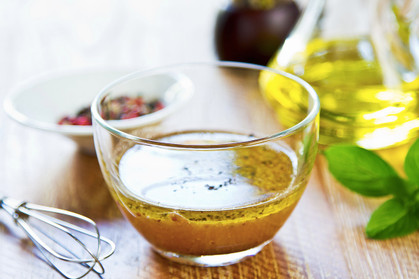
Salad dressingWhisk Dijon with olive oil, vinegar, salt, and pepper for a classic French vinaigrette. |
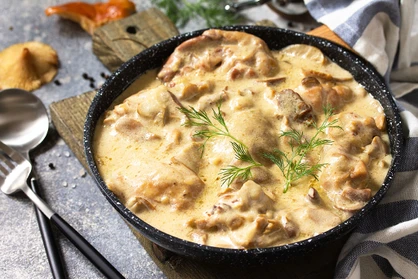
Creamy sauceAdd Dijon to cream and white wine for an easy French mustard sauce with chicken or pork. |
SandwichesSpread on baguette with ham and cheese, or mix into tuna salad instead of plain mayo. |
MarinadesRub onto chicken thighs or pork tenderloin before roasting for flavor and a golden crust. |
How to use whole-grain mustard
Moutarde de Meaux is a little different. Because the mustard seeds are left whole, it doesn't disappear into a sauce the same way Dijon does. It shines when you can see and taste the texture.
Charcuterie boardsServe in a small ramekin with cured meats, cornichons, cheese, and bread. |
Grilled meatsSpoon alongside steak, sausages, roasted pork, or chicken. |
VinaigretteUse it in salad dressing when you want more texture and a rustic look. |
French sandwichesSpread on baguette with ham, Comté, and cornichons. |
The jar is part of the experience
Pommery Moutarde de Meaux comes in a beautiful stoneware jar with a cork lid sealed in red wax. It looks like something you'd find in a French market and makes a simple but impressive gourmet gift. Once the mustard is gone, the jar is worth keeping for spices, herbs, or small kitchen essentials.
Bring Dijon into your kitchen
The mustards mentioned in this guide, straight from France — ready for your next vinaigrette, sauce, or cheese board.